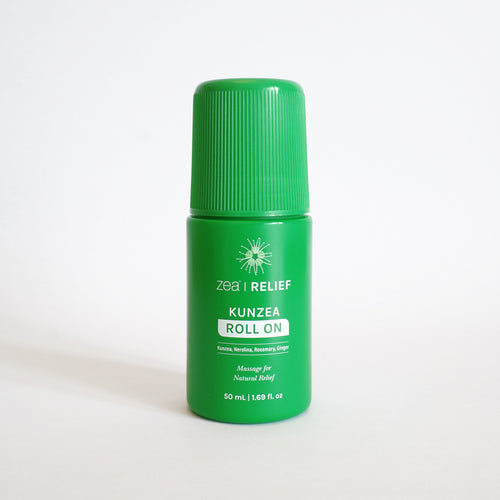
Imagine a native Australian plant used for generations for flavour, wellbeing, and healing, now rediscovered as a modern superfood. At Zea, Kunzea is at the heart of everything we do. Kunzea ambigua, also known as Tick Bush or White Cloud, is traditionally found in Tasmania and coastal regions, where Aboriginal communities have long used its flowers and leaves in cooking for their subtly aromatic, herbaceous notes.
Today, Kunzea is gaining recognition as an emerging anti-inflammatory superfood. While research on consuming its leaves and flowers is still limited, its traditional use, nutrient profile, and naturally occurring aromatic compounds spark curiosity about its internal wellness potential. Its essential oil, meanwhile, is well-supported by studies for anti-inflammatory, antimicrobial, and therapeutic benefits and is approved by the TGA for temporary relief of muscular aches, joint discomfort, and respiratory symptoms.
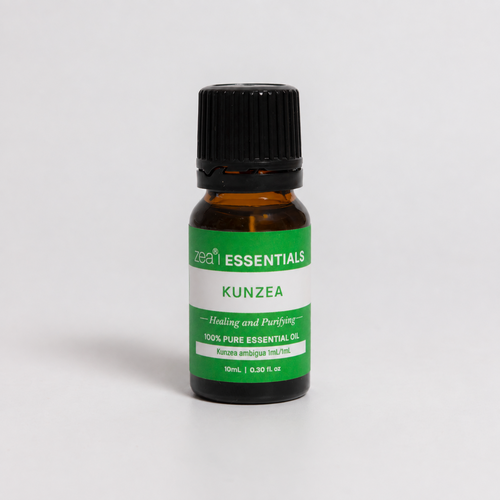
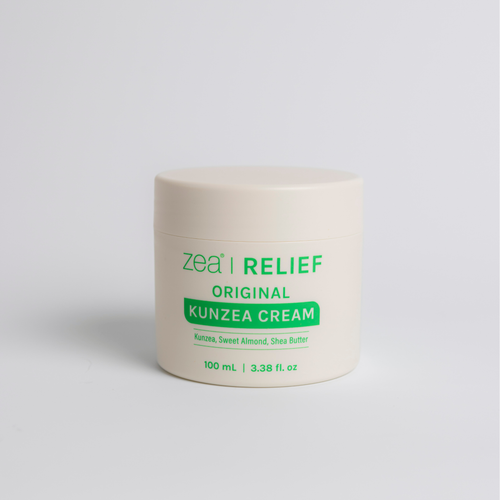
At Zea, we honour Kunzea in all its forms, through our Zea Relief wellness range, Zea Essentials aromatherapy line, and our Zea Gourmet range, highlighting just how versatile this remarkable native plant truly is.
This blog will explore Kunzea’s traditional uses, its unique chemistry, potential oral benefits, how Zea leads the way with our Gourmet range, and key safety tips for using Kunzea.
Respecting Aboriginal Knowledge and Traditional Use
Kunzea has long been part of Aboriginal cultural practices across Tasmania and parts of coastal Australia. For generations, Aboriginal communities have drawn on the plant’s natural qualities in a variety of ways, including:
-
As a flavouring herb in cooking, particularly using the delicate flowers
-
In simple infusions to support general wellbeing
-
Aromatically and topically as part of traditional healing practices
These long-standing uses form the foundation of today’s renewed interest in Kunzea. As Australians increasingly look to native botanicals for health, flavour, and connection to Country, Kunzea stands out as a plant with deep cultural significance and enduring value.
What Makes Kunzea Special? A Look Inside the Plant’s Unique Chemistry
Kunzea stands out for its naturally complex chemistry. Its essential oil is rich in C15 sesquiterpenes; including Globulol, Viridiflorol, Spathulenol, Ledol, and Bicyclogermacrene, known for their soothing, anti-inflammatory effects.
A unique feature of Kunzea is the balance between its two major monoterpenes: alpha-pinene and 1,8-cineole. Unlike many essential oils where cineole dominates, Kunzea has higher alpha-pinene levels, giving it a gentler, more skin-friendly profile.
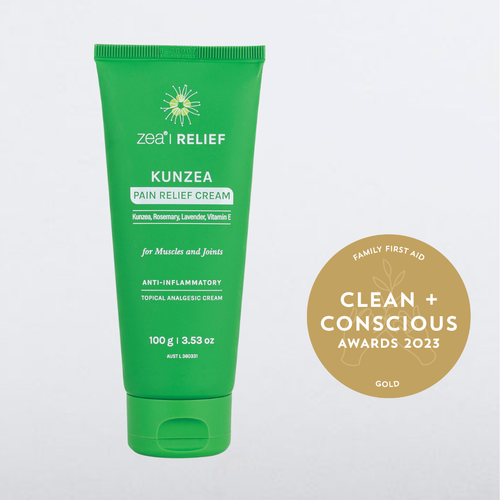
This diverse terpene profile underpins Kunzea’s therapeutic potential, offering a range of wellness benefits, which is why Zea has incorporated Kunzea into our topical products such as the Kunzea Pain Relief Cream to help soothe discomfort naturally.

Here is an overview of the major terpenes found in Kunzea:
1. Monoterpenes
These lighter, aromatic compounds give Kunzea its fresh, clean scent and contribute to many of its therapeutic qualities.
-
Alpha-Pinene: Known for its anti-inflammatory and antioxidant properties. It may help ease airway inflammation and support respiratory comfort.
-
Beta-Pinene: Offers antimicrobial and antibacterial benefits. It helps combat harmful bacteria while providing an uplifting, refreshing aroma that can support mood.
-
Limonene: A naturally citrus-scented terpene with mood-enhancing, antioxidant and anti-inflammatory effects.
-
1,8-Cineole (Eucalyptol): Provides respiratory support and has a fresh, medicinal aroma. It is known for its anti-inflammatory, antioxidant and antimicrobial benefits.
-
Sabinene: Recognised for its anti-fungal and anti-inflammatory properties.
2. Sesquiterpenes
These heavier, more stable compounds contribute to Kunzea’s ability to soothe discomfort and support the body’s natural inflammatory response.
-
Globulol: Provides antimicrobial and anti-inflammatory benefits.
-
Viridiflorol: Known for its antioxidant and anti-inflammatory properties.
-
Bicyclogermacrene: Recognised for its pain-relieving and anti-inflammatory effects.
-
Spathulenol: Offers antibacterial and anti-inflammatory activity.
-
Ledol: Has calming qualities and contributes to relief from general discomfort.
Why This Matters
The unique combination of compounds in Kunzea Essential Oil underpins its wide-ranging benefits. It is:
-
Renowned for reducing discomfort, stiffness, and muscle tension
-
Used to help ease inflammation
-
Supportive of healthy skin
-
Helpful for promoting respiratory comfort
-
Valued for its calming effects and stress-relief properties
This robust therapeutic profile is increasingly supported by scientific research, making Kunzea the cornerstone ingredient across Zea’s natural product range, including our topical relief solutions for muscles and joints.
Kunzea as a Food: What We Know
Traditional culinary use
Aboriginal communities have long used Kunzea flowers and leaves in cooking and herbal preparations, highlighting its role as a traditional native food.
Current scientific insights
Research on Kunzea as a “superfood” is still limited. However, the leaves and flowers contain gentle aromatic compounds in much lower concentrations than the essential oil. These compounds are similar to those found in other culinary herbs known for supporting general wellbeing.
Some of the potential benefits of consuming food-safe parts of Kunzea include:
-
Antibacterial and antimicrobial effects: Extracts from the leaves show activity against pathogenic bacteria.
-
Respiratory relief: Compounds like 1,8-cineole, present in both plant material and extracted oil, may help ease cold and flu symptoms.
In short, Kunzea shows promise for its antioxidant, antibacterial, and other gentle health-supporting properties, making it an emerging native superfood.
How Zea Celebrates Kunzea in Food
At Zea, we celebrate Kunzea’s rich cultural heritage while showcasing its modern culinary potential. Our Gourmet range highlights the plant’s natural flavour and gentle aromatic qualities in ways that are both delicious and functional:
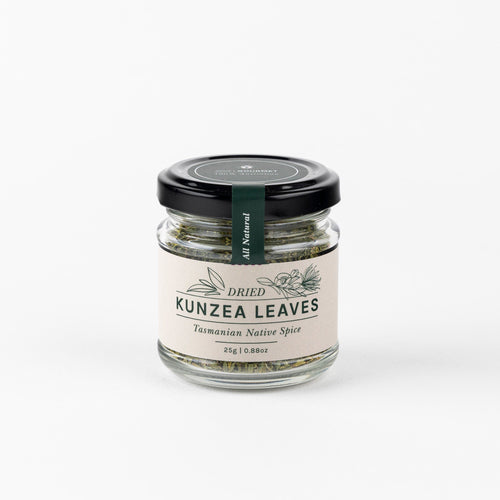
Dried Kunzea Leaf
Whole, food-grade Kunzea leaves that can be used like a traditional native herb, sprinkled over roasted vegetables, infused into teas, or added to marinades for a softly herbal, eucalyptus-like aroma.

Kunzea Honey
A rich, aromatic native honey infused with Kunzea flowers, offering a uniquely Australian flavour with subtle floral and herbal notes.
Australian Native Bush Dukkah
A crunchy blend of nuts, seeds, and native herbs, with Kunzea as a standout aromatic ingredient that adds depth and warmth to savoury dishes.
Native Blend Pink Lake Salt
A mineral-rich Australian pink lake salt blended with native botanicals including Kunzea, designed to enhance flavour while adding a distinctly local, aromatic touch to cooking and seasoning.
Together, these products honour Kunzea as a traditional culinary plant while allowing people to enjoy its natural flavour and sensory qualities as part of their everyday food rituals.
Key Safety Tips
While Kunzea offers many natural benefits, it’s important to use it safely:
-
Essential Oil: Never consume or digest Kunzea Essential Oil. It is intended only for aromatherapy or topical use when properly diluted.
-
Leaves and Flowers: Food-safe parts of the plant, like the leaves and flowers, can be enjoyed orally in cooking or culinary preparations.
Following these guidelines ensures you can enjoy Kunzea safely while appreciating its full range of benefits.
Kunzea: A Native Ingredient with a Promising Future
Kunzea is quickly earning its place among Australia’s most exciting native botanicals. Its appeal lies in:
-
Deep Aboriginal roots in both cooking and healing
-
Essential oil with strong anti-inflammatory and antimicrobial potential
-
Flowers and leaves that offer subtle aromatic benefits and traditional culinary uses
-
Sustainable growth in pristine Tasmanian and coastal environments
-
Rising consumer interest in native superfoods
As scientific research grows and more Australians rediscover native plants, Kunzea stands out as a botanical with enormous cultural significance, sensory appeal, and future potential.
At Zea, we’re proud to share Kunzea with the world; respectfully, responsibly, and guided by both tradition and science.
References:
-
Earle G. The essential oil of kunzea. New Millenium Oils.
-
Eyles, A., Rodemann, T., de Kock, E., Garland, S. M., Close, D. C. (2024). Prediction of total extracted oil and major terpenes in leaves of Kunzea ambigua using near infrared reflectance spectroscopy. Journal of Near Infrared Spectroscopy, 32(3), 105-112. https://doi.org/10.1177/09670335241262342
-
Sustainable Play. (21 August, 2025). Best Edible Australian Native Plants for the School Garden (Part 2). https://sustainableplay.com.au/garden/australian-native-school-garden-2/
-
Warndu. (20 March, 2021). Warndu’s White Kunzea Flower. https://warndu.com/blogs/first-nations-food-guide/warndus-white-kunzea-flower?srsltid=AfmBOopOQL0A_iTTA8Y9_8BBKYieB4FIeLbyhg0JQC2gIDe0Cs56UMLV